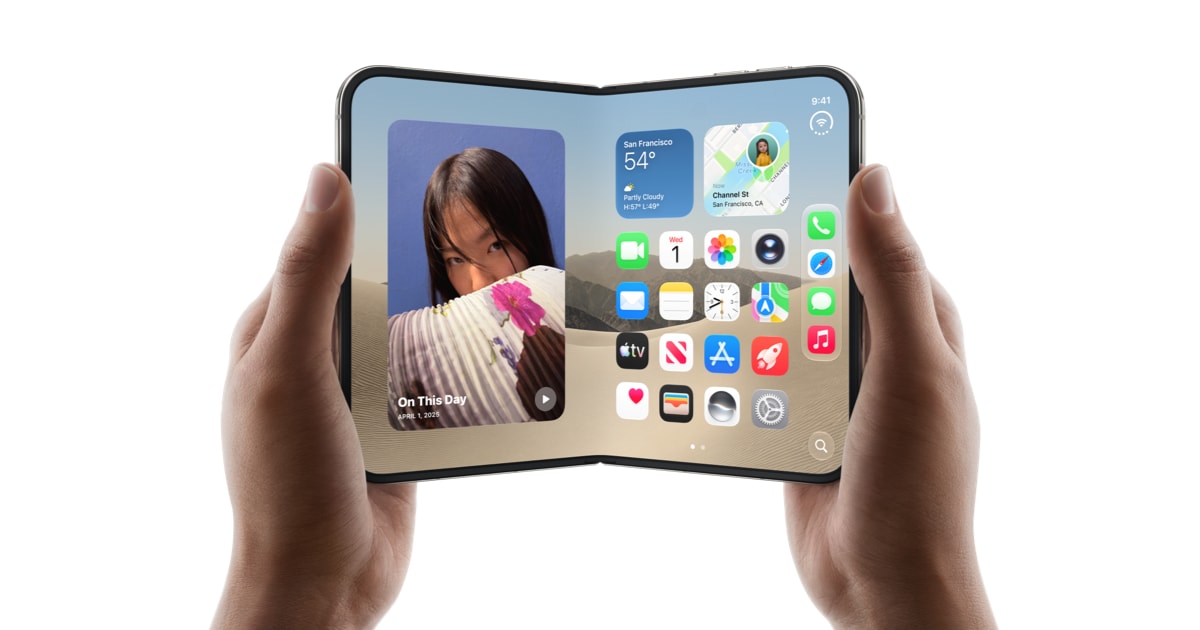
Apple has finally entered the foldable-phone market, and the obvious comparison is Samsung's Galaxy Z Fold 8. Both are passport-style foldables: a conventional-looking outer screen that opens into a larger tablet-like display.
The short version: pick the iPhone Duo if you live in Apple's ecosystem and want Apple's software integration in a foldable form. Pick the Galaxy Z Fold 8 if you want Android flexibility, a lighter device and the confidence of buying from the company with years of foldable experience.
🎁 Sponsored Blog Offer
Become a Samples Reviewer Now! (Capped)
Enter your information now to see if you qualify for this U.S. Android offer.
But the details matter when you are spending close to two thousand dollars, so the rest of this guide walks through display, software, cameras, durability, AI and price one by one.
What is different about the two phones?
The two phones share a similar concept but approach it from very different starting points, and that history shapes everything else.
Samsung has been refining Galaxy Fold devices for multiple generations. The Z Fold 8 is not an experiment — it is the product of years of solving practical foldable problems like hinge design, screen protection, multitasking software and weight reduction.
The iPhone Duo is Apple's first foldable iPhone. First-generation Apple products have a pattern: striking industrial design and deep software integration, paired with the rough edges and premium pricing of a brand-new category for the company — which makes this less a specification contest than a choice between two ecosystems. If you already own a Mac, Apple Watch, AirPods and iCloud storage, the Duo slots into a life you already live. If your digital life runs on Gmail, Google Photos and Android apps, the Fold 8 meets you where you are.
Display and form factor
Apple's iPhone Duo opens to a 7.6-inch internal display and has a 5.4-inch external display. Apple says the two screens share the same aspect ratio, helping content scale consistently between folded and unfolded modes — an app should look like itself, just bigger, rather than a stretched or cropped version.
The Galaxy Z Fold 8 also uses a passport-style design with a large internal display, and Samsung has spent generations tuning how Android apps behave across the two screens.
The interesting part is not simply screen size. It is how each company uses the extra space. Apple is emphasizing multitasking, content consumption, gaming and flexible viewing positions. Samsung leans on years of Android multitasking features and a mature foldable interface that third-party apps have had time to adapt to — and since the differences that matter show up months later in crease visibility and coating wear, our guide to how the iPhone Duo display works digs into the engineering separately from buying advice.
Foldable software and multitasking
Software is where Samsung's experience advantage is clearest. Years of foldable generations mean Samsung's multitasking gestures, app-continuity behavior and large-screen layouts have been tested by millions of users and refined accordingly.
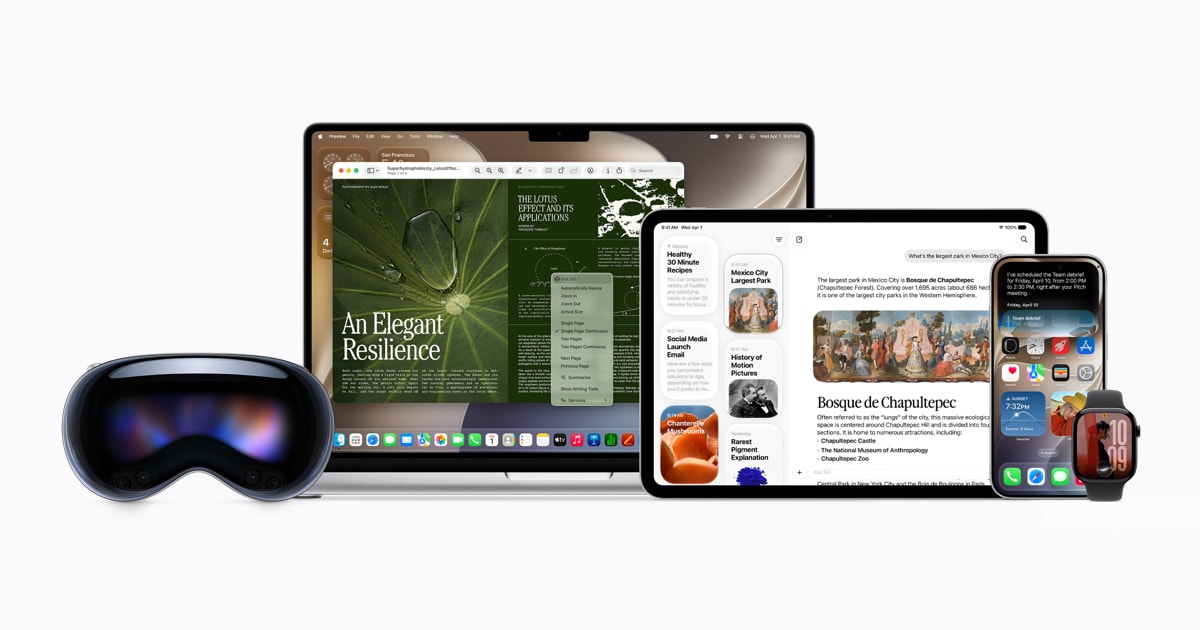
Apple's counter is integration depth rather than feature count. iOS 27 on the Duo brings Apple Intelligence and Siri AI features into a foldable for the first time, with continuity across iPhone, iPad and Mac that Android cannot fully replicate for Apple households.
Ask yourself a practical question: where do you multitask today? If the answer is Google Docs, Gmail and Chrome across devices, Samsung's mature Android multitasking is the safer bet. If the answer is iMessage, FaceTime, Safari and iCloud documents, the Duo's integration is worth more than any feature checklist — though Samsung's years of third-party tablet-layout optimization remain an advantage Apple is still catching up on.
Weight and everyday portability
Foldables ask users to accept more thickness and weight than conventional phones, so everyday portability deserves its own section rather than a footnote.
Samsung has made weight reduction a priority across Fold generations, and the Z Fold 8 reflects that work. Apple, building its first foldable, has prioritized hinge feel, materials and display quality — all of which add grams.
Published comparisons put the Duo on the heavier side of the foldable market. If you carry your phone in a pocket all day, use it one-handed on transit or have wrist or hand strain, this is a try-it-in-a-store decision, not a specifications decision.
Weight also interacts with the case question. Foldables need cases that protect two halves and a hinge, which add bulk to both phones — but proportionally more pain on the already-heavy device.
Cameras
The iPhone Duo has a 48MP Dual Fusion camera system, while Samsung uses its own multi-camera setup. On paper that sounds decisive. In practice, megapixels are among the least informative numbers in this comparison.
What actually determines photo quality is processing, stabilization, video recording, low-light performance and computational photography — areas where both companies are excellent and trade wins depending on the scene.
The Duo gets one genuinely novel advantage from its form: the folding design creates new camera positions and preview experiences, like framing a shot on one half while previewing on the other — though whether that proves to be a daily-use feature or a demo trick will depend on third-party camera apps, and serious photographers should still compare full-resolution samples in the conditions they actually shoot in.
Every foldable buyer should think about durability differently than with a conventional phone, because moving parts and flexible screens age in ways rigid glass does not.
Apple gives the Duo an IP68 rating, which speaks to dust and water resistance of the chassis. Samsung's Fold carries its own resistance rating. Read what each rating actually covers rather than treating the codes as interchangeable — and remember that no rating covers the hinge mechanism itself the way buyers intuitively expect.
Hinge design matters as much as the screen. The hinge controls the bending radius of the display, resists dust ingress and determines whether the phone holds partially-folded positions. Samsung has iterated on this across generations. Apple's first hinge will be judged against that accumulated experience.
The most important advice in this section: judge foldable durability over time, not from launch impressions. Crease visibility, coating wear and hinge stiffness are months-long stories. Early hands-on reports are useful for first impressions and useless for longevity.
AI and software ecosystem
The Duo arrives with iOS 27 and Apple's newer Apple Intelligence and Siri AI features. Samsung answers with Android, Galaxy AI features and Google's broader AI ecosystem including Gemini.
This could become the most important difference over the two or three years you own the phone, because AI features are improving faster than hardware.
Apple's advantage is the tight connection between hardware, software and services: on-device processing, Private Cloud Compute and an assistant in Siri AI that can work across your messages, photos and apps. Our Apple Intelligence explainer covers what that system actually does today.
Samsung's advantage is flexibility and openness: Google's AI models, broader default-app choice and a longer history of designing AI features around foldable screens specifically.
Think about which AI you will actually touch daily. An iPhone household will feel Siri AI everywhere. A Google household will feel Gemini everywhere. The “better AI” is mostly the one embedded in the services you already use.
Price and value
Apple's iPhone Duo starts at $1,999 in the U.S., according to current reporting. The Galaxy Z Fold 8 launched at a lower price in many markets, and Samsung's foldables historically see faster discounting.
That creates the central value question: is Apple's ecosystem worth the premium? There is no objective answer, but there are wrong ways to think about it. Don't compare launch-day Duo pricing to a discounted older Fold — compare what each costs you, new, in your market, with the storage you need.
For someone already invested in Apple devices, the premium buys integration that genuinely saves daily friction. For someone choosing purely on hardware value, or who upgrades frequently, Samsung's pricing and faster depreciation curve deserve a serious look — and remember that a $1,999 phone kept for four years costs less per year than a $1,200 phone replaced every two.
Who should buy the iPhone Duo?
Buy the Duo if you live in Apple's ecosystem and want that ecosystem in foldable form. The integration across iPhone, Mac, Watch and iCloud is the product as much as the hinge is.
Buy it if you value Apple's software support horizon and resale values, which historically cushion the premium pricing over time.
Buy it if you want the newest Apple hardware category and accept first-generation trade-offs: higher price, heavier build and third-party apps still catching up.
Buy the Fold if you live on Android and Google services. The assistant, photos, email and maps you already use are the Fold's home turf.
Buy it if portability matters to you. Years of weight reduction add up to a meaningfully easier daily carry.
Buy it if you want proven foldable maturity: a refined hinge lineage, mature multitasking software and apps that have had generations to adapt.
Buy it if value matters more than novelty. Lower launch pricing plus Samsung's typical discounting make the total cost of ownership easier to justify.
Frequently asked questions
Q: Is the iPhone Duo better than the Galaxy Z Fold 8? A: Neither is universally better. The Duo wins on Apple ecosystem integration; the Fold wins on weight, Android flexibility and foldable maturity. The right choice follows the ecosystem you already live in.
Q: Which foldable is lighter to carry? A: The Galaxy Z Fold 8 is the lighter device according to published comparisons, which matters for all-day pocket carry and one-handed use.
Q: Which has the better display? A: Both are flagship-quality at launch. The differences that matter — crease visibility, coating wear, app behavior at the fold — only appear after months of use, so treat launch impressions accordingly.
Q: Which foldable has better AI? A: It depends on your services. Apple's Siri AI is deeply integrated for iPhone households; Google's Gemini ecosystem is stronger for Android and Google-services users. Our Apple Intelligence explainer details what Apple's system does today.
Q: Is the iPhone Duo worth the higher price? A: At a reported $1,999 starting price, the premium is real. It is most defensible for buyers already invested in Apple devices who keep phones for years; value-focused or frequent upgraders should look hard at Samsung's pricing.