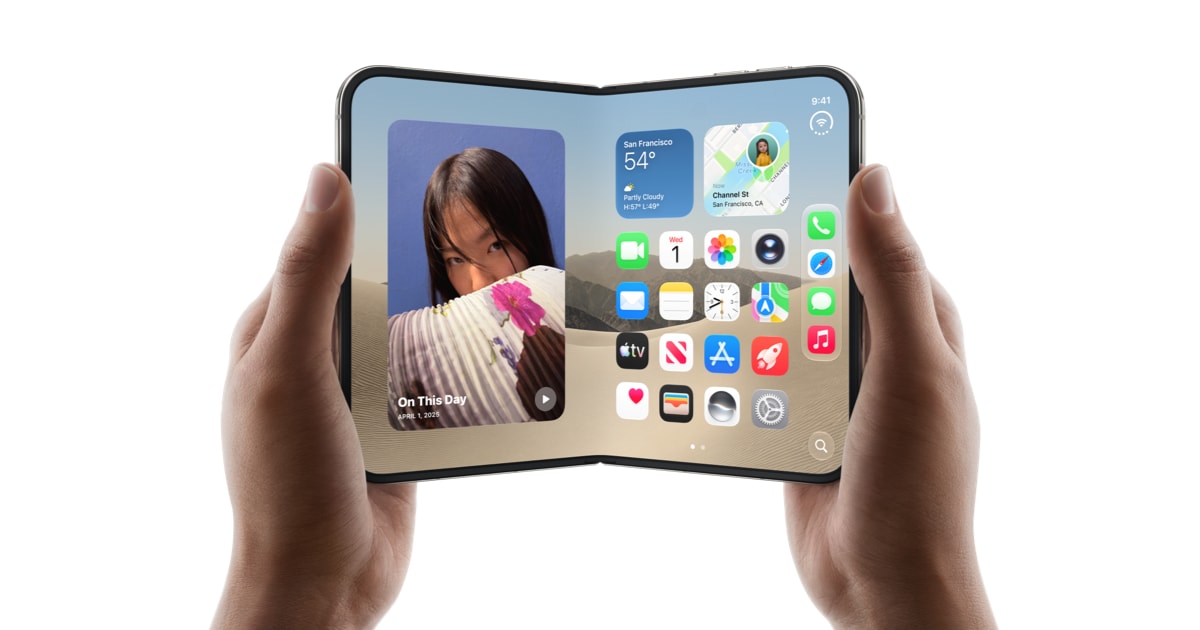
The most important part of Apple's first foldable iPhone is not the hinge. It is the screen — a 7.6-inch internal display that folds in half, paired with a 5.4-inch external display for ordinary phone use.
Apple says the Duo is built around a precision hinge, a shared aspect ratio across both screens so content scales consistently, and a nano-texture finish that reduces glare on the large inner display.
🎁 Sponsored Blog Offer
Become a Samples Reviewer Now! (Capped)
Enter your information now to see if you qualify for this U.S. Android offer.
What Apple has not done is publish the engineering details enthusiasts want most: layer thicknesses, panel suppliers, fold-cycle ratings or crease measurements. This guide explains what is confirmed, what can be reasonably inferred from how foldables work, and what only long-term testing can answer.
Why foldable displays are difficult
A normal smartphone display can stay rigid for its entire life. Every layer — glass, touch sensor, display, backing — is optimized for a flat, unmoving life.
A foldable display has to bend repeatedly without losing its ability to produce a sharp, uniform image. That means the screen is built as a layered system rather than a simple sheet of glass, with each layer engineered to tolerate flexing.
The flexible display layer has to survive repeated folding while the protective layers and hinge mechanism work together to control exactly how, and how tightly, the device bends. Get any part of that system wrong and you get dead pixels along the fold, delamination, or a crease that deepens with every cycle.
This is why foldable engineering is genuinely hard and why every manufacturer's first attempt deserves skepticism until proven. The physics of bending thin-film electronics thousands of times does not care about brand reputation.
What Apple says about the Duo display
Apple describes the Duo as having a 7.6-inch inner display and a 5.4-inch outer display, which puts the unfolded screen roughly in small-tablet territory.
The two screens share the same aspect ratio, which Apple says helps content scale proportionally between the folded and unfolded states. In practice this should mean apps look like themselves, just larger — rather than stretched, cropped or awkwardly reflowed versions.
The internal display also uses a nano-texture finish designed to reduce reflections. Glare is a bigger deal on a large foldable screen than on a conventional phone, because there is simply more surface catching light, so an anti-reflective treatment is a meaningful choice rather than a marketing flourish.
What Apple has not disclosed: the panel supplier, microscopic layer construction, rated fold cycles, or any quantified crease specification. Treat any third-party claim about those details as unverified unless Apple confirms it.
The role of the hinge
The hinge controls the geometry of the fold, and geometry is everything in a foldable. It determines the bending radius of the display, resists dust ingress at the most vulnerable point of the device and decides which partially-folded positions the phone can hold.
If the bending radius is too tight, stress concentrates in the flexible display layers and the crease deepens faster. If the hinge is too loose, the phone feels unstable and won't hold the tent or laptop positions that make foldables useful.
Apple says the Duo's precision hinge provides a smooth folding experience and supports new ways of using the phone when partially folded — video calls propped on a table, for example, or a split view with controls on one half.
Hinge feel is one of the few things reviewers can fairly judge at launch, and early hands-on impressions are the right source for it. Everything about hinge longevity, though, belongs in the long-term testing bucket.
Why fold radius matters
Fold radius — how tightly the display bends at the crease — is the single most important geometric number in a foldable, and it is the number manufacturers least like to publish.
A larger, gentler radius spreads bending stress across more material, which generally means a shallower crease and longer display life. The trade-off is thickness: a gentle fold needs more room inside the hinge, which makes the folded phone chunkier.
Waterdrop-style hinges, which let the display fold into a teardrop shape rather than pinching flat, exist precisely to buy a larger effective radius without adding proportionate thickness. Apple has not detailed its hinge geometry publicly — but the practical translation for buyers is simple: a phone that folds flat is not automatically better engineered than one with a slight wedge, because what matters is stress on the panel over thousands of cycles, which no launch-day specification sheet can show you.
What causes a crease
The crease is the visible and tactile line where the display bends, and it is the first thing every prospective foldable buyer asks about. Understanding what it is helps set realistic expectations.
Physically, the crease comes from the display layers taking a semi-permanent set along the fold line, combined with the protective layers above it deforming slightly with each bend. It is inherent to folding a layered stack — the engineering goal is minimizing it, not eliminating it, because elimination would require materials that don't currently exist at consumer scale.
Apple's design goal with the Duo is clearly to make the fold as unobtrusive as possible while maintaining durability. Early hands-on reports have suggested the crease is difficult to notice visually, which is encouraging but exactly the kind of launch-day observation that says nothing about month six.
Two factors will decide the real story: how the crease evolves with thousands of folds, and how visible it is in the harsh lighting of daily use rather than a controlled demo room. Anyone declaring victory or defeat on the crease today is guessing.
Apple's nano-texture finish on the inner display deserves attention because it solves a real foldable-specific problem rather than an imaginary one.
A 7.6-inch screen catches far more ambient light than a conventional phone display, and foldables are used in exactly the scenarios — travel, outdoors, bright offices — where reflections hurt most. Etched nano-scale texture scatters incoming light instead of bouncing it straight back at your eyes.
The trade-off with matte-style finishes is usually a slight reduction in perceived contrast and sharpness compared to glossy glass. Whether Apple's implementation avoids that compromise is a question for display-measurement reviews, not launch coverage.
This is also a durability subplot worth watching: etched surfaces and oleophobic coatings wear with cleaning and time. How the nano-texture looks after a year of wiping is genuinely unknown today.
Folded vs unfolded software
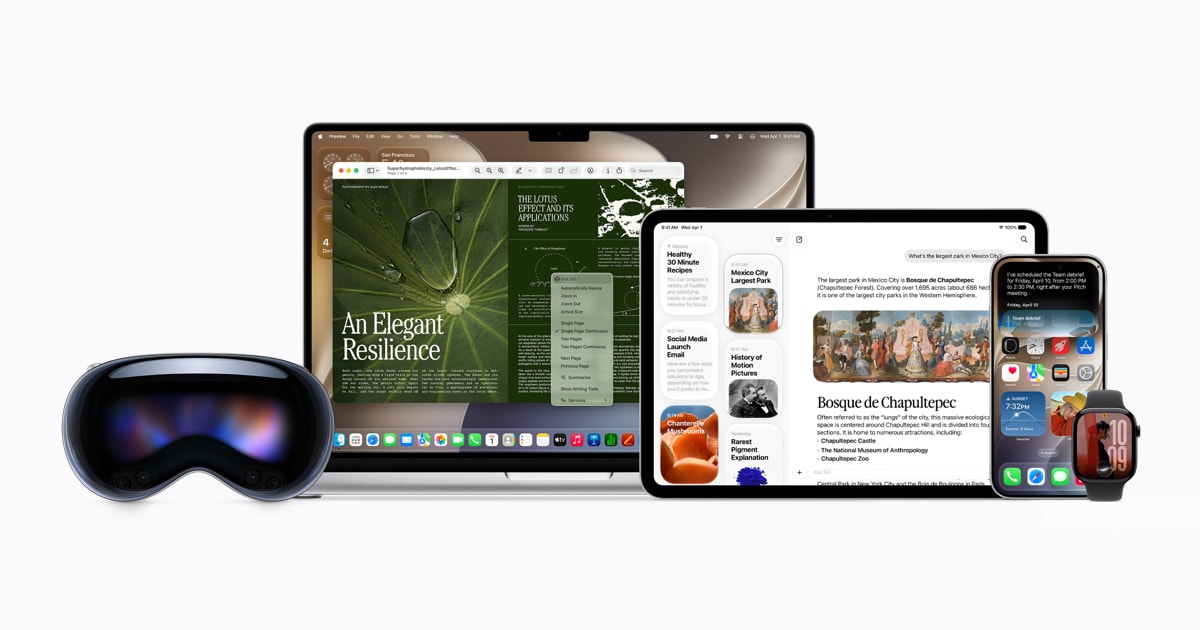
Hardware is only half the display story. The other half is what iOS 27 does with two very different screen shapes, and this is where Apple's control of both sides should pay off.
The shared aspect ratio means apps should transition between screens without jarring reflows. Continuity — starting something folded and continuing unfolded — is the interaction the whole device is selling, and it has to feel instant and lossless.
Apple has redesigned iOS experiences around multitasking, content consumption, gaming and flexible viewing positions. Partially-folded modes effectively create new device postures: a propped-up video player, a split controller-and-screen gaming layout, a tent-mode photo frame.
The open question is third-party adoption. Apple's own apps will be ready on day one. Whether major third-party apps treat the Duo as a first-class layout or a stretched phone app will determine how much of that 7.6 inches is actually useful in year one.
Durability questions
Foldable durability has three separate clocks: the display layers along the fold, the protective coatings on top, and the hinge mechanism itself. They degrade on different schedules and fail in different ways.
Display fatigue shows up as brightness non-uniformity or dead lines along the crease. Coating wear shows up as smudges that won't clean off and increased glare. Hinge wear shows up as looseness, uneven folding or positions that no longer hold.
Apple gives the Duo an IP68 rating, which covers dust and water resistance of the chassis — meaningful, but not a statement about any of the three foldable-specific clocks above. Don't let an impressive ingress rating answer questions it was never designed to answer.
Samsung's multi-generation head start matters here mainly as a knowledge base: years of warranty data on what actually fails. Apple starts that learning curve now, with its first generation of buyers as the field test. Price that risk into your decision accordingly.
What launch reviews can and cannot tell us
Launch reviews can tell you: hinge feel, display quality out of the box, crease visibility on day one, software smoothness, camera quality and whether the device delights in hand. These are real, valuable observations.
Launch reviews cannot tell you: crease evolution, coating wear, hinge longevity, battery aging under foldable thermal patterns, or real-world repair costs and turnaround times. Anyone presenting day-one findings as durability conclusions is overreaching.
The right way to use launch coverage is as a filter, not a verdict. If multiple reviewers flag the same immediate flaw, believe them. If they praise the feel and finish, enjoy the optimism but wait for the six-month updates before spending $1,999.
Q: How big is the iPhone Duo display? A: 7.6 inches unfolded on the internal display, plus a 5.4-inch external display for ordinary phone use, with a shared aspect ratio so content scales between the two.
Q: Does the iPhone Duo have a visible crease? A: All foldables have some crease along the fold line. Early hands-on reports suggest Apple's is hard to notice visually, but crease evolution over months of folding is still untested.
Q: Is the iPhone Duo display OLED? A: Apple has not published the panel supplier or full stack details. Treat third-party claims about the display technology as unverified unless Apple confirms them.
Q: How does a foldable display work? A: A flexible display layer bends inside a layered stack while the hinge controls the bending radius. The engineering challenge is surviving thousands of folds without dead pixels, delamination or a deepening crease.
Q: Is the iPhone Duo screen durable? A: Unknown in the long term. The IP68 rating covers dust and water resistance of the chassis, not foldable-specific wear. Judge durability from long-term testing, not launch impressions.