Houthi Attacks in the Red Sea: Why the Latest Yemen Escalation Matters

Houthi forces have rapidly expanded their position along Yemen's Red Sea coast, raising fresh concerns about shipping, oil supplies and the risk of a wider regional conflict involving the United States and its allies.

What Is Happening in Yemen?

The conflict around Yemen has entered a new and potentially important phase. Iran-aligned Houthi forces have advanced along Yemen's Red Sea coast, capturing strategically important territory and increasing their ability to threaten one of the world's major maritime routes.

Reuters reported that the Houthis seized the coastal city of Mokha and advanced toward strategic islands near the Bab el-Mandeb Strait. The development has created a new problem for the United States and its regional partners because control of the coastline can translate into greater influence over commercial shipping.

The situation is unfolding while the wider Middle East remains unstable. The Strait of Hormuz is already facing severe disruption, meaning another threat to an important maritime chokepoint could put additional pressure on global energy markets.

Why Is the Bab el-Mandeb Strait Important?

The Bab el-Mandeb connects the Red Sea with the Gulf of Aden and provides a critical route between Europe, Asia and the Middle East.

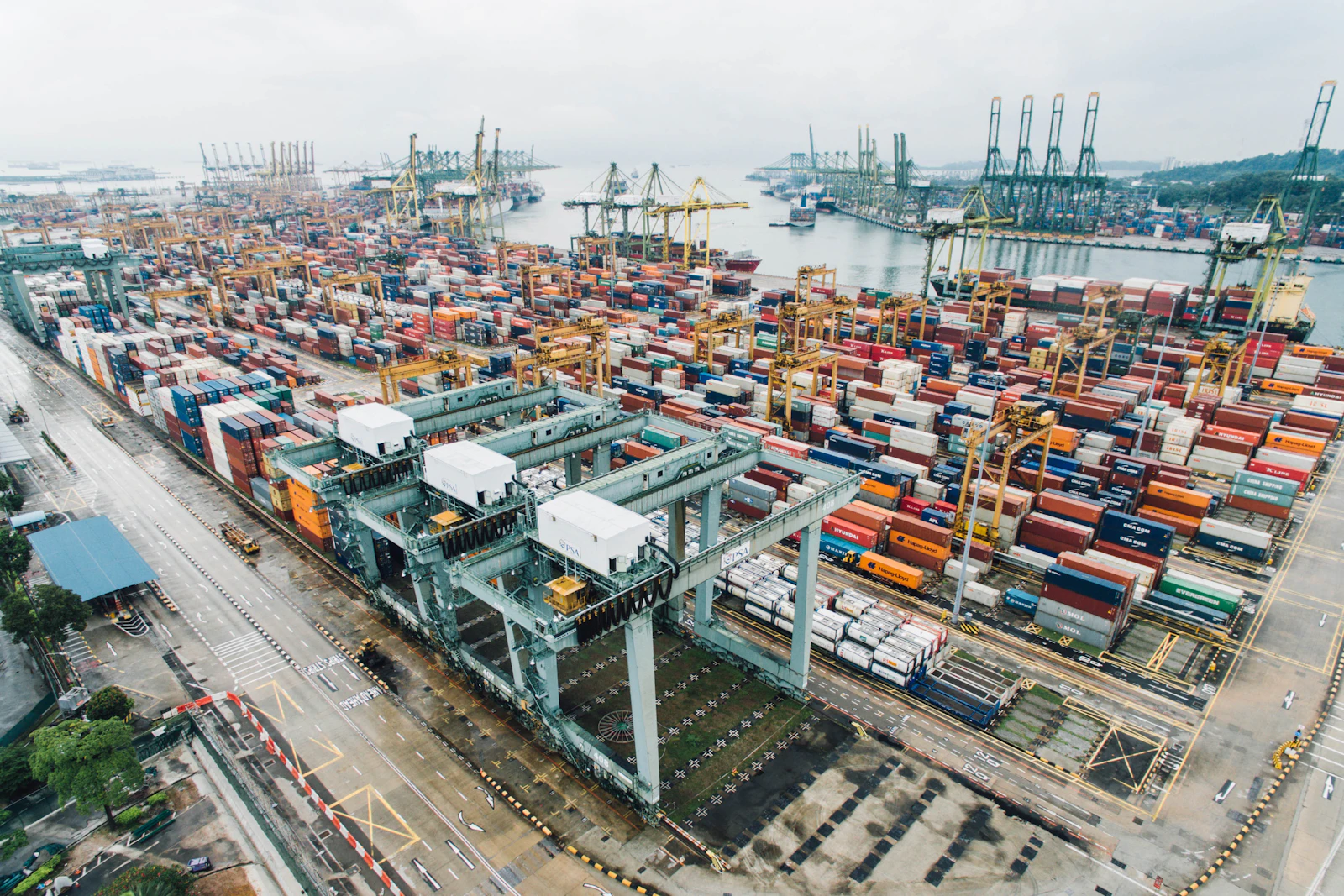
Ships using the route can move between the Indian Ocean and the Mediterranean through the Suez Canal. When shipping companies cannot safely use the corridor, vessels may have to take much longer routes around Africa.

That matters because longer routes mean more fuel, more time at sea and higher transportation costs. If enough shipping is disrupted, those additional costs can eventually reach consumers through higher prices for imported goods.

  • It connects the Red Sea with the Gulf of Aden
  • It supports trade between Europe and Asia
  • It is important for energy shipments
  • Disruption can increase shipping costs
  • Longer alternative routes can add significant travel time

How Could This Affect Oil Prices?

Oil markets react not only to actual shortages but also to the possibility that supplies could become harder to move.

The latest Houthi escalation comes at an especially sensitive time because oil prices are already elevated following disruptions around the Strait of Hormuz and attacks on regional energy infrastructure.

Reuters reported on September 13 that a new maritime attack near the Strait of Hormuz had intensified fears about global oil supplies. Saudi Arabia has also temporarily closed an important East-West oil pipeline following an attack.

That means traders are watching several different risks at the same time. A problem in one shipping corridor may be manageable, but simultaneous disruptions across multiple routes can make the global energy market much more nervous.

Why Is Saudi Arabia Involved?

Saudi Arabia has been directly affected by the latest Houthi escalation. Houthi forces have launched attacks toward Saudi territory while Saudi forces have responded with strikes against Houthi positions.

The conflict is particularly sensitive for Riyadh because the Red Sea and nearby infrastructure are important to Saudi energy exports and regional trade.

The Houthi advance also creates a strategic problem. The group is backed by Iran, while Saudi Arabia is a major U.S. partner in the region. Any sustained expansion of Houthi control could therefore become part of the broader U.S.-Iran confrontation.
Watch the video

Watch on YouTube →

Will the United States Intervene?

That remains uncertain.

The United States has strong reasons to protect international shipping routes, but direct military involvement would create additional risks while Washington is already dealing with the wider conflict involving Iran.

Reuters reported that the Trump administration has so far emphasized intelligence support for Saudi Arabia rather than immediately committing to a major new military campaign in Yemen.

President Donald Trump has also said the Houthis communicated that they do not want direct conflict with the United States. Whether that message leads to a meaningful reduction in attacks remains unclear.

What Happens Next?

The most important developments to watch are whether Houthi forces continue moving toward the Bab el-Mandeb Strait, whether Saudi Arabia expands its military response and whether commercial shipping companies change their routes.

Oil prices will also be an important signal. If shipping disruptions remain temporary, the market could eventually stabilize. If multiple energy corridors remain threatened, higher oil prices could become a longer-lasting economic problem.

For Americans, the effects may eventually appear through gasoline, transportation and consumer prices rather than through the conflict itself.

Houthi Red Sea FAQ

Why are the Houthis important? The Houthis control territory in Yemen and have developed the ability to threaten shipping in and around the Red Sea.

What is the Bab el-Mandeb Strait? It is a narrow maritime passage connecting the Red Sea with the Gulf of Aden and is an important global shipping route.

Could Houthi attacks increase oil prices? Yes. Disruptions to major shipping and energy routes can increase supply concerns and risk premiums in global oil markets.

Will the U.S. fight the Houthis? The level of future U.S. involvement remains uncertain and depends on how the regional conflict develops.

Why should Americans care? Prolonged shipping and energy disruptions can eventually affect gasoline, transportation and other consumer prices.

Conclusion

The latest Houthi advance is bigger than another isolated development in Yemen. It is taking place at a time when multiple Middle Eastern shipping and energy routes are already under pressure.

The key question is whether the current escalation remains contained or develops into a wider threat to international shipping. For consumers, the most visible consequence could ultimately be higher energy and transportation costs.

Quick takeaway

The Houthi advance matters beyond Yemen because the group is gaining influence near the Bab el-Mandeb Strait, one of the world's most important shipping routes, while the wider Middle East conflict is already putting pressure on global energy markets.

Houthi Attacks in the Red Sea: Why the Latest Yemen Escalation Matters
← Back to all stories